


After an accident in California, the damage often extends beyond physical injuries. You may also be dealing with costly vehicle repairs, damaged personal belongings, or the loss of transportation while your car is being repaired. These expenses can create additional financial stress while you are recovering.
Property damage is often an important part of an accident claim. If someone else’s negligence caused the accident, you may be able to recover compensation for your damaged property in addition to your injury-related losses.
What Are the Different Types of Property Damage?
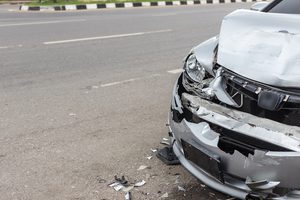
Property damage refers to physical harm to or destruction of property. In personal injury cases, these losses commonly involve vehicles and personal belongings damaged during an accident.
Common types of property damage include:
- Vehicle damage: Damage to cars, motorcycles, trucks, or other vehicles involved in a collision.
- Personal property damage: Damage to phones, laptops, clothing, and other belongings.
- Bicycle damage: Damage to bicycles, helmets, and equipment involved in cycling accidents.
- Motorcycle equipment damage: Damage to helmets, protective gear, and other riding equipment.
- Other property damage: Damage to fences, structures, or other property caused by an accident.
The extent of the damage can affect whether the property should be repaired or replaced and how much compensation may be available.
What Are the Most Common Causes of Property Damage?
Property damage frequently occurs in accidents involving negligent drivers, unsafe conditions, or other preventable hazards. While vehicle collisions are among the most common examples, property damage can accompany many types of personal injury claims.
Common causes include:
- Car, truck, and motorcycle accidents
- Pedestrian and bicycle collisions
- Distracted or impaired driving
- Speeding and reckless driving
- Commercial vehicle accidents
- Construction accidents
- Accidents involving defective products
For example, a distracted driver may cause a collision that damages another person’s vehicle and results in serious injuries. In that situation, the injured person may have claims for both property damage and bodily injury.
Who Is Responsible for Property Damage?
The party responsible for an accident may also be financially responsible for the resulting property damage. In negligence cases, liability generally depends on whether someone failed to exercise reasonable care and caused the loss.
For example, a driver who runs a red light and strikes another vehicle may be responsible for the resulting repair costs. If the accident involves a commercial vehicle, the driver’s employer may also be liable under certain circumstances.
Some accidents involve multiple responsible parties. An attorney can investigate the incident, review available evidence, and determine who may be legally responsible for your losses.
What Compensation Can You Recover for Property Damage?
Property damage compensation is intended to address financial losses involving damaged or destroyed property. The amount available depends on the circumstances of the accident, the property’s value, and applicable law.
Depending on your case, recoverable damages may include:
- Vehicle repair costs: Reasonable expenses needed to repair your damaged vehicle.
- Vehicle replacement value: Compensation when a vehicle is considered a total loss.
- Diminished value: The reduction in a vehicle’s market value after an accident, even following repairs.
- Loss of use: Compensation for being unable to use your vehicle while it is damaged or undergoing repairs.
- Rental vehicle expenses: Reasonable transportation costs incurred while your vehicle is unavailable.
- Damaged personal belongings: Repair or replacement costs for items damaged in the accident.
Property damage is generally considered an economic loss. If you were also injured, you may be able to pursue separate compensation for medical expenses, lost income, pain and suffering, and other injury-related damages.
How Do You Prove a Property Damage Claim?
To recover compensation for property damage, you generally need evidence showing that the accident caused the damage and establishing the value of your losses.
Useful evidence may include:
- Photographs and videos of the accident scene
- Pictures of the damaged vehicle or belongings
- Police and accident reports
- Witness statements
- Vehicle repair estimates and invoices
- Receipts for damaged personal property
- Vehicle valuation reports
- Insurance company correspondence
It is important to document the damage before repairs begin whenever possible. Keeping repair estimates, receipts, and other records can help establish the amount of compensation you are seeking.
How Do You File a Property Damage Claim?
After an accident, you may be able to file a property damage claim through the at-fault party’s insurance company or your own insurer, depending on the circumstances and available coverage.
You should generally:
- Take photos, gather witness information, and document the damage
- Notify law enforcement when required and contact the insurer
- Obtain repair or replacement estimates
- Submit photos, estimates, reports, and other evidence
- Review the insurer’s offer to ensure it covers your losses
- Negotiate disputed amounts or seek additional compensation if necessary
If you also suffered injuries, it is important to understand how resolving the property damage portion of your claim may affect any remaining bodily injury claims.
What Happens if Your Property Damage Claim Is Denied?
An insurance company may deny a property damage claim because it disputes liability, questions whether the accident caused the damage, or determines that the loss is not covered under the applicable policy.
A denial does not necessarily mean you cannot recover compensation. You may be able to provide additional evidence, request reconsideration, or challenge the insurer’s assessment of the damage.
If negotiations are unsuccessful, an attorney can evaluate whether pursuing legal action against the responsible party is appropriate.
How Long Do You Have To File a Property Damage Claim?
In California, you generally have three years from the date of the damage to file a property damage lawsuit. However, if you also suffered physical injuries in the accident, the deadline for filing a personal injury lawsuit is generally two years.
Different deadlines may apply when a government entity is involved, and insurance policies may have separate reporting requirements.
Do You Need a Lawyer for a Property Damage Claim?
Not every property damage claim requires an attorney. If the damage is minor, fault is clear, and the insurance company offers adequate compensation, you may be able to handle the claim yourself.
However, hiring a personal injury lawyer may be beneficial in certain situations, including when:
- You suffered injuries in the accident
- Liability for the accident is disputed
- Your vehicle was totaled
- The insurance company undervalues or denies your claim
- Multiple parties may be responsible for the damage
A personal injury attorney can investigate the accident, evaluate your losses, and negotiate with insurance companies on your behalf. Legal guidance can be particularly valuable when your property damage claim is part of a larger personal injury case.
Contact J. Hartley Law Personal Injury Lawyers To Schedule a Free Consultation With an El Segundo Personal Injury Attorney
Property damage claims in California can involve repair or replacement costs, disputes over liability, and disagreements with insurance companies. When an accident also causes injuries, recovering compensation can become more complicated.
A personal injury lawyer can help establish fault, document your losses, and negotiate for fair compensation. If you need assistance with a property damage claim, contact J. Hartley Law Personal Injury Lawyers today at (323) 284-2834 to schedule a free consultation with an El Segundo personal injury lawyer.
J. Hartley Law Personal Injury Lawyers
880 Apollo St, El Segundo, CA 90245
(323) 284-2834