

J. Hartley | May 7, 2026 | Personal Injury
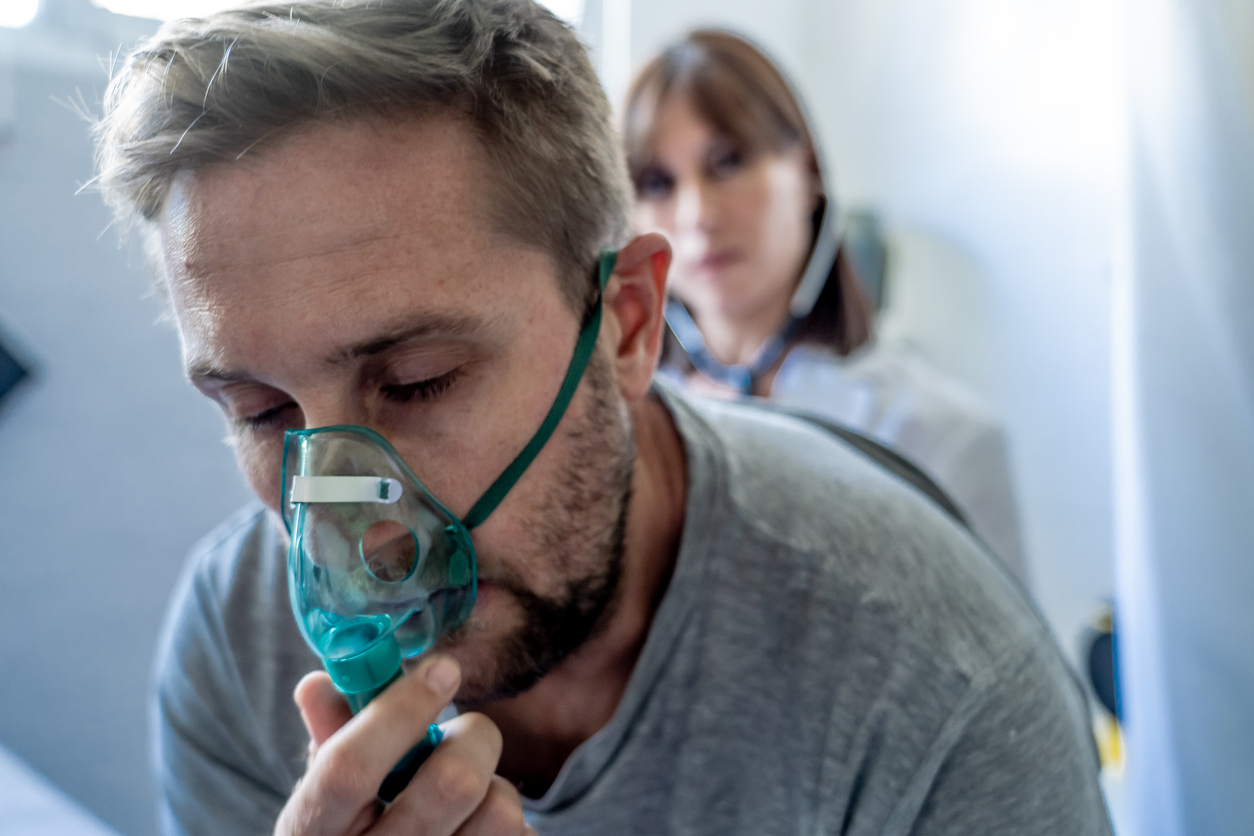
When an oil refinery explosion occurs, the immediate concern is often the fire, the noise, and the visible destruction. But one of the most serious – and sometimes less visible – consequences is what happens to the air.
In California, where many communities live and work near refineries, these incidents can have a significant impact on air quality and public health. Understanding how refinery explosions affect the air can help you better understand your rights if you are exposed to harmful conditions.
What Happens to the Air During a Refinery Explosion?
When an oil refinery explodes, it releases a mixture of smoke, gases, and chemical particles into the air. These emissions can spread quickly, especially depending on wind conditions and the size of the explosion.
Refineries process crude oil using heat and chemicals. This means when something goes wrong, the materials released into the air can include:
- Volatile organic compounds (VOCs)
- Sulfur compounds
- Carbon monoxide
- Fine particulate matter
- Other toxic air contaminants
California law defines many of these substances as toxic air contaminants. These are pollutants that can increase the risk of serious illness or even death.
In some explosions, thick plumes of black smoke rise into the sky and drift into surrounding neighborhoods, carrying these pollutants with them.
Immediate Air Quality Effects After an Explosion
Right after an explosion, air quality can deteriorate rapidly. Some of the fallout may include:
- Smoke and particulate matter: Explosions and fires often produce dense smoke filled with fine particles. These particles can be inhaled deep into the lungs, causing irritation and breathing problems.
- Toxic chemical releases: Refinery explosions may release gases like butane or other volatile compounds into the surrounding air. In some cases, air monitoring has detected elevated levels of these substances downwind of refinery incidents.
- Emergency warnings: Because of these risks, authorities sometimes issue shelter-in-place orders. These orders advise residents to stay indoors, close windows, and limit exposure until the air is deemed safe.
These immediate impacts can last for hours or even days, depending on the severity of the incident.
Short-Term Health Effects of Poor Air Quality
Exposure to polluted air following a refinery explosion can cause a range of short-term symptoms. People in affected areas may experience:
- Coughing and throat irritation
- Shortness of breath
- Eye and skin irritation
- Headaches or dizziness
Children, older adults, and individuals with asthma or other respiratory conditions are especially vulnerable. Even brief exposure can be enough to trigger symptoms.
Long-Term Air Quality and Health Concerns
While the immediate effects are serious, the long-term consequences can be even more concerning. Refineries are known to emit pollutants that can contribute to chronic health problems over time.
Studies have linked refinery-related air pollution to:
- Increased risk of asthma
- Cardiovascular disease
- Neurological damage
- Certain cancers
After an explosion, these risks can increase if hazardous substances remain in the environment or if exposure is prolonged. In some cases, pollutants settle onto soil or surfaces, creating ongoing exposure risks.
Why Air Quality Impacts Matter Legally
When a refinery explosion leads to harmful air pollution, it can raise important legal questions, such as:
- Was the explosion caused by negligence?
- Were safety regulations followed?
- Did the company fail to prevent foreseeable risks?
- Were nearby residents adequately warned or protected?
Refineries are expected to operate safely and minimize environmental harm. When they fail to do so, they may have legal liability for the consequences.
What Types of Damages Might Be Available?
If you are affected by air pollution from a refinery explosion, you might be entitled to compensation. Potential damages may include:
- Medical expenses: Costs related to treatment for respiratory issues, hospital stays, medications, and ongoing care.
- Lost wages: If exposure prevents you from working, you may recover compensation for lost income.
- Pain and suffering: Physical discomfort, emotional distress, and reduced quality of life may be considered.
- Property damage: In some cases, contamination may affect homes, vehicles, or personal belongings.
Each case is unique. The available damages depend on the extent of exposure and its impact.
Contact J. Hartley Law Personal Injury Lawyers To Schedule a Free Consultation With an El Segundo Personal Injury Attorney
An oil refinery explosion can change the air people breathe. The effects may be immediate or long-lasting. If you or your family have been affected by poor air quality following a refinery incident in California, don’t wait to get help.
If you’ve been hurt in El Segundo, CA, or the surrounding communities in California, contact J. Hartley Law Personal Injury Lawyers today to discuss your case during a free consultation.
J. Hartley Law Personal Injury Lawyers
880 Apollo St, El Segundo, CA 90245
(323) 284-2834